.png)
.png)
.png)
.png)
Ready to Transform Your Website?
Schedule a call with one of our experts to learn more.


How DynaVap uses founder-hosted live shopping to engage its community, showcase special releases and drive sales without paid advertising

Average Conversion Rate
Peak Session Conversion
Peak Live Engagement Rate
Ad Spend
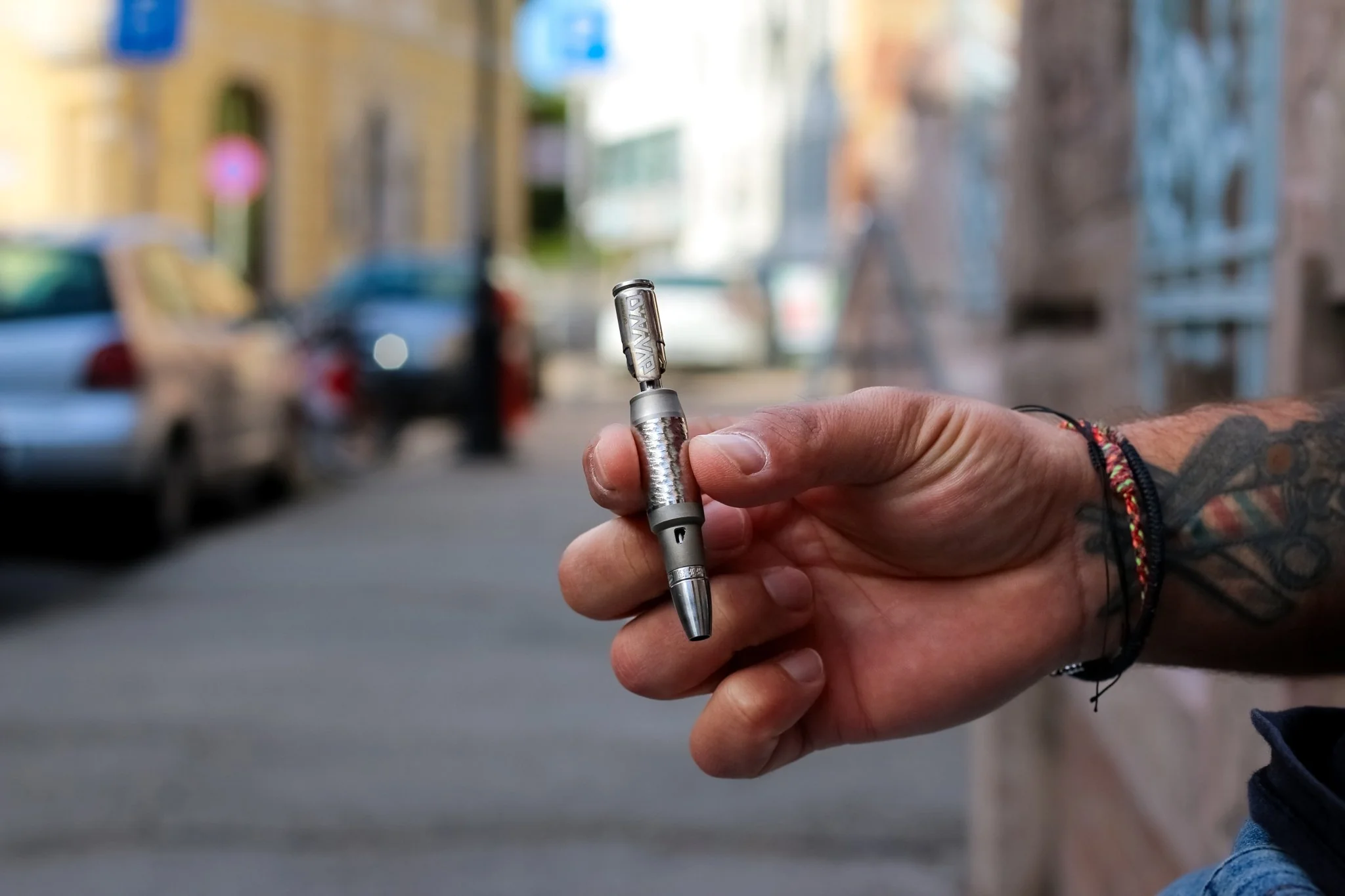





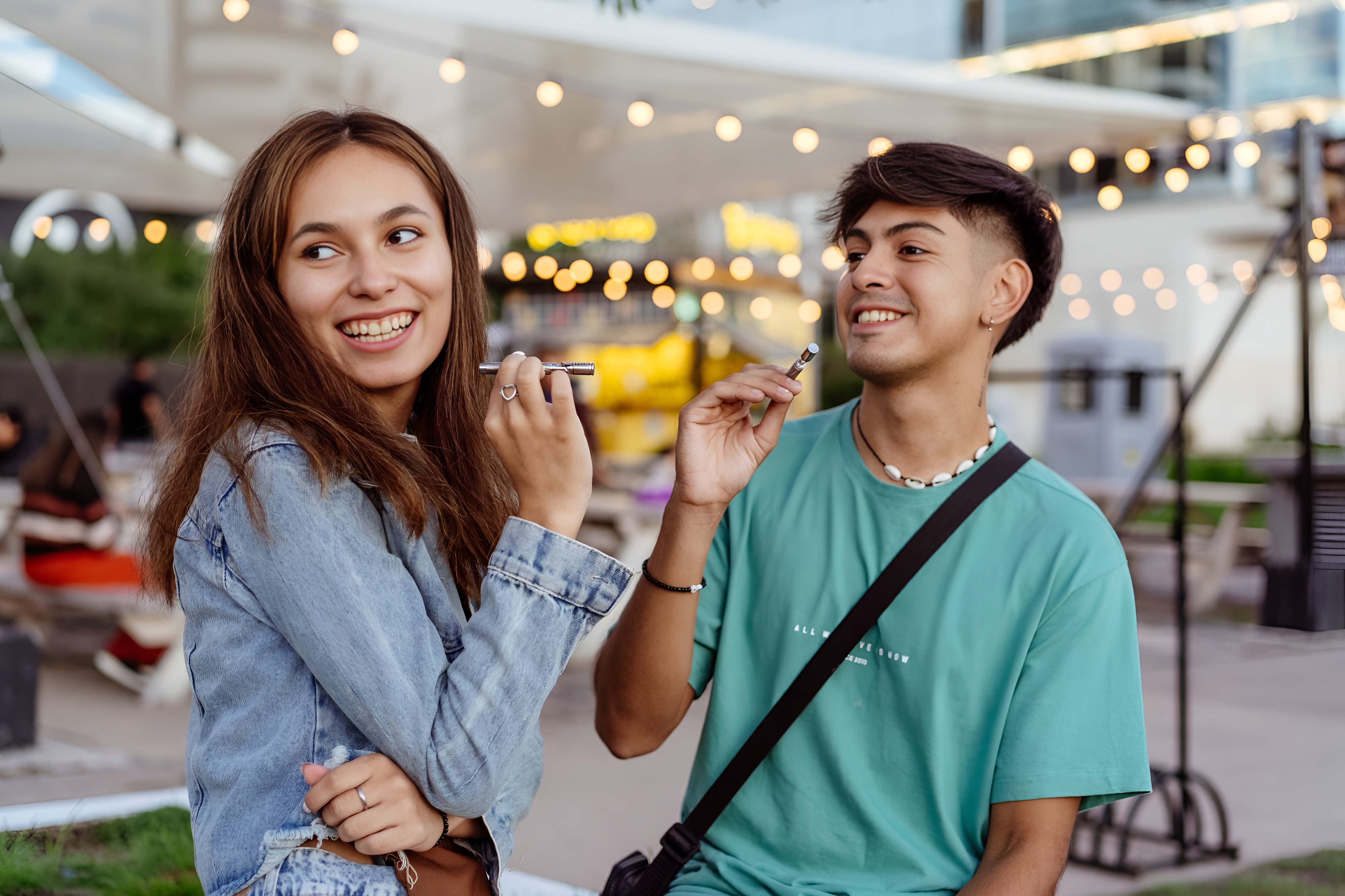
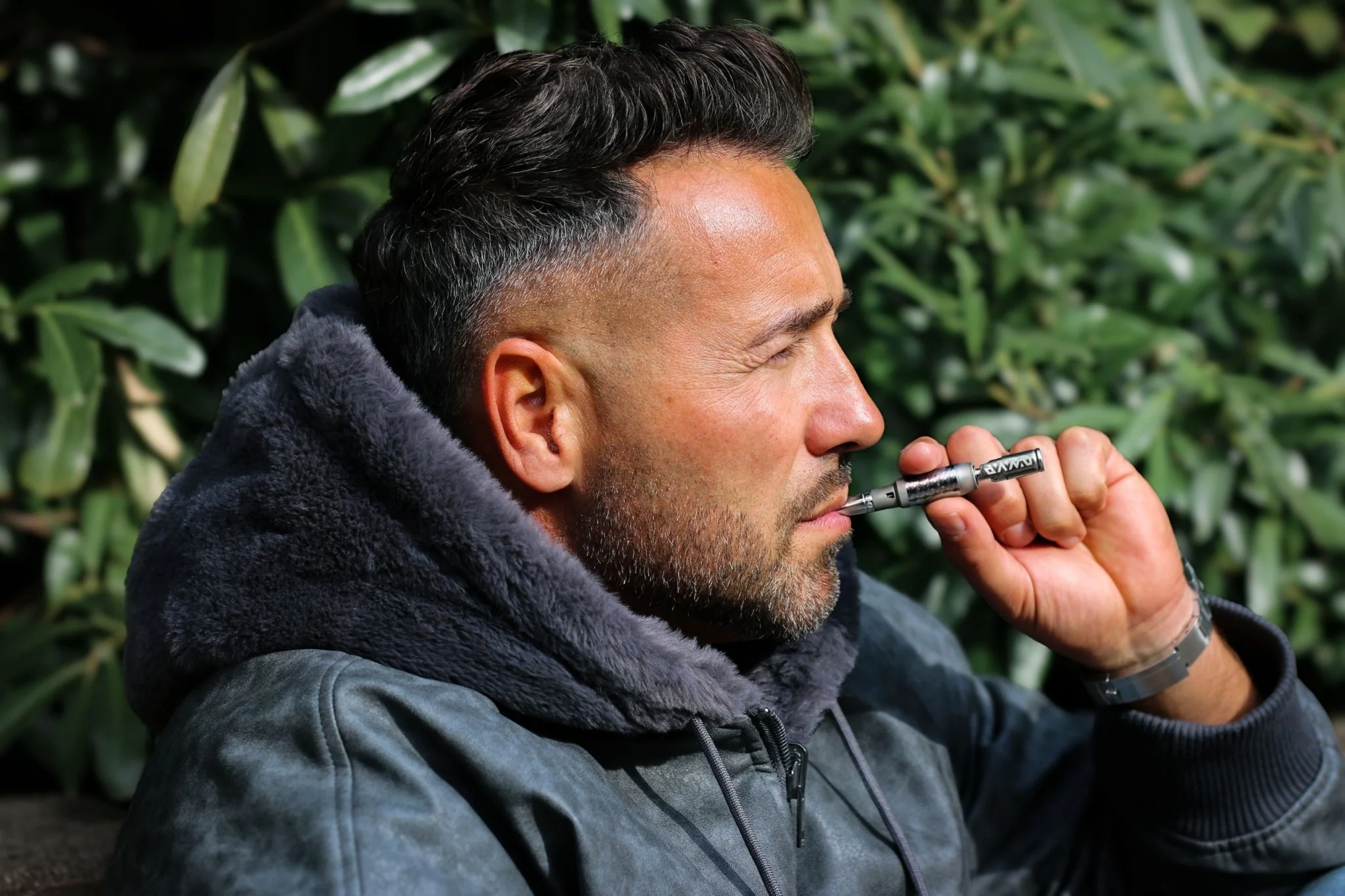
DynaVap is not a typical ecommerce brand. Founded in 2015 by inventor George Breiwa and built in DeForest, Wisconsin, the company makes battery-free dry herb vaporizers, what they call Thermal Extraction Devices, under a single mission: Make Smoking History. They design, engineer, and manufacture everything in house, and they’ve built a passionate community that shares tips, modifications and product reviews across their own channels and enthusiast forums.
That community is the opportunity and the problem. DynaVap has an unusually engaged audience that already lives on the channels they own. But their catalog runs on drop culture: limited runs, prototypes, anniversary pieces, and one-of-one rare items they hold in the vault. A drop of a handful of one-of-one stems or a mystery grab bag is an event, not a product page. Static PDPs and email blasts could announce a drop, but they couldn’t recreate the energy of a live event or give the person behind the products an opportunity to demonstrate them, share the thinking behind their design and interact directly with the community.
DynaVap needed a way to turn product drops into live moments their community could show up to in real time, on channels they own, and explore how live shopping could activate DynaVap’s existing community and generate sales
through organic promotion, without paid advertising.
Goals

DynaVap runs an ongoing series of live shopping drops on Terrific, each hosted by founder and CEO George Breiwa, streamed on their own channels at terrific.live/dynavap, and promoted only through organic social and email. Every drop is built around a different reason to show up live. A few that stand out:
The Founder on Camera, Every Time
The drops are hosted by George Breiwa himself, the inventor and product developer behind the devices. Not a presenter reading a script, the person who designed the products, demoing them, explaining the engineering, and answering the community live as items move.
The Mystery Grab Bag Drop
One drop ran on pure curiosity. George opened with a mystery grab bag, buyers purchased without knowing what was inside. The first run sold out in seconds. The team re-upped on the spot, and it sold out again.
The 420 Sale
For 420, George and the team went live and walked the full catalog, surfacing live discounts across bundles and devices and taking questions in real time. The session turned a calendar moment into a guided shopping event on DynaVap's own channel.
DynaVault and Rare Finds
Another drop became the scarcity engine. One-of-one and ultra limited items from the vault, prototypes, retro builds, and rare stems unlocked on camera every few minutes. George showcased each piece as it dropped, and the community cleared the vault. It was a standout on both turnout and engagement.
.svg)
First hand Product Knowledge
George brings firsthand product knowledge to each stream, demonstrating devices, explaining design decisions and answering community questions in real time.
.svg)
A Community That Was Already There
DynaVap activated an owned, engaged community instead of renting attention from a platform algorithm. The people who showed up were already theirs.
.svg)
Special Releases, Shared Live
Limited releases and unusual pieces give the community a chance to see products up close, hear their stories and ask questions as they become available.
.svg)
A Direct Connection With the Community
The livestreams give DynaVap another way to connect with its community through a branded online experience, supported by organic social promotion and email.
.svg)
Conversion That Outruns Ecommerce
The drops convert at 14.95% on average and peak at 16.06%, several times the 2 to 3 percent typical of standard ecommerce.
.svg)
Organic Promotion, No Paid Ad Spend
Real revenue, drop after drop, with zero ad spend. The math works because the audience is owned, not bought.

Trusted by the greatest brands





















Schedule a call with one of our experts to learn more.