



¿Listo para transformar tu e-commerce?
Agenda una llamada con uno de nuestros expertos en social commerce para saber más.


Modern retail is moving past the traditional divide between physical storefronts and digital web platforms. Today, leading brands are turning their brick-and-mortar locations into broadcast studios by blending in-store retail tech with livestreaming commerce. This strategic integration solves a major problem for physical stores: low foot traffic. At the same time, it fixes a common issue with online shopping: the lack of personal interaction. This article provides a clear, actionable guide on how to combine your retail hardware, inventory systems, and store staff with interactive video streams to build a highly profitable hybrid sales ecosystem.
The traditional boundaries separating physical brick-and-mortar stores from online shopping sites have completely disappeared. Historically, brands managed these channels as entirely separate entities, using independent inventory systems, different marketing budgets, and separate sales teams. This fragmented approach created a disconnected experience for customers and limited a brand's overall operational efficiency.
The modern retail environment requires complete unification. Customers no longer view a brand through a single channel; they expect a smooth, consistent experience whether they are walking down a store aisle or scrolling through a mobile app. At the same time, physical retail locations face the ongoing challenge of making their floor space as profitable as possible.
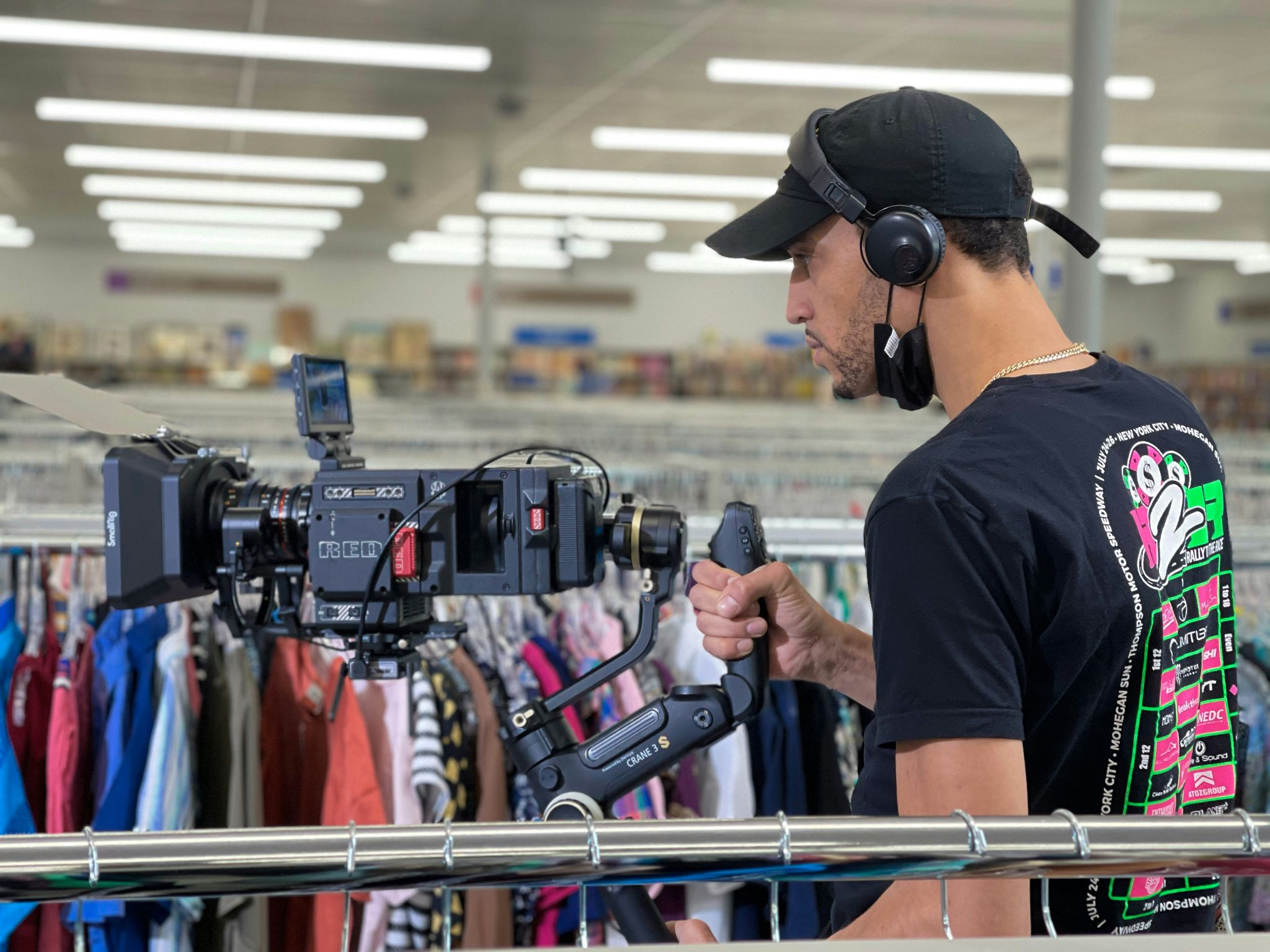
To thrive in this environment, forward-thinking merchants are transforming their physical stores into dynamic broadcast studios. By combining in-store retail technology with interactive livestreaming, businesses can broadcast the sensory, high-touch experience of physical shopping directly to a global digital audience. This hybrid approach allows brands to maximize the value of their physical real estate, optimize store labor, and create a highly engaging shopping environment that drives revenue across all channels.
Integrating livestreaming directly into your physical stores fundamentally changes the purpose of your retail real estate. Instead of serving only local, walk-in shoppers, your store floors become interactive, multi-functional media hubs capable of reaching thousands of viewers simultaneously.
This model operates on two distinct approaches:
By using your physical stores as broadcast stages, you can instantly bring the classic benefits of in-person shopping-such as detailed product styling, immediate demonstrations, and expert advice-to online buyers worldwide. This approach breathes new life into the traditional retail storefront, turning it into a powerful engine for digital engagement and growth.

The biggest point of friction in a hybrid retail model is inventory management. If an online viewer buys the very last item displayed during a live broadcast at the exact same moment a walk-in customer carries that identical item to the store register, the system breaks down. This results in cancelled orders, lost revenue, and deeply frustrated customers.
Avoiding this issue requires an accurate, centralized data infrastructure. Connecting your physical store's inventory management system directly with your live video platform ensures that stock numbers update automatically across all channels in real time.
Using Radio Frequency Identification (RFID) tags inside your brick-and-mortar stores provides your video platform with instant visibility into exact inventory levels. When an item sells out on the physical sales floor, your livestream software immediately updates the digital shopping bag, either hiding the product icon or shifting it to a pre-order status. This level of automated precision keeps your operations running smoothly and protects the customer experience across both physical and digital touchpoints.
Your greatest retail assets are already standing on your physical store floors. Your retail associates understand your products inside and out, talk to customers every single day, and know exactly how to overcome common objections. Transitioning these team members into live video hosts is a highly effective way to humanize your digital presence.
The commercial impact of this shift is substantial. Data published in a February 2026 report by McKinsey shows that live commerce converts at an average rate of 11.4 percent globally, compared to a standard 2.7 percent conversion rate for traditional, static e-commerce pages. Furthermore, data collected from over 14,000 merchants by Shopify in 2026 revealed that live shopping experiences reduced overall product return rates from 24.7 percent down to just 8.3 percent. This massive 66 percent drop in returns occurs because live viewers see products demonstrated transparently on real people, allowing them to make much more informed purchasing decisions.
To successfully implement this model, brands must provide their teams with the right infrastructure and clear performance incentives:
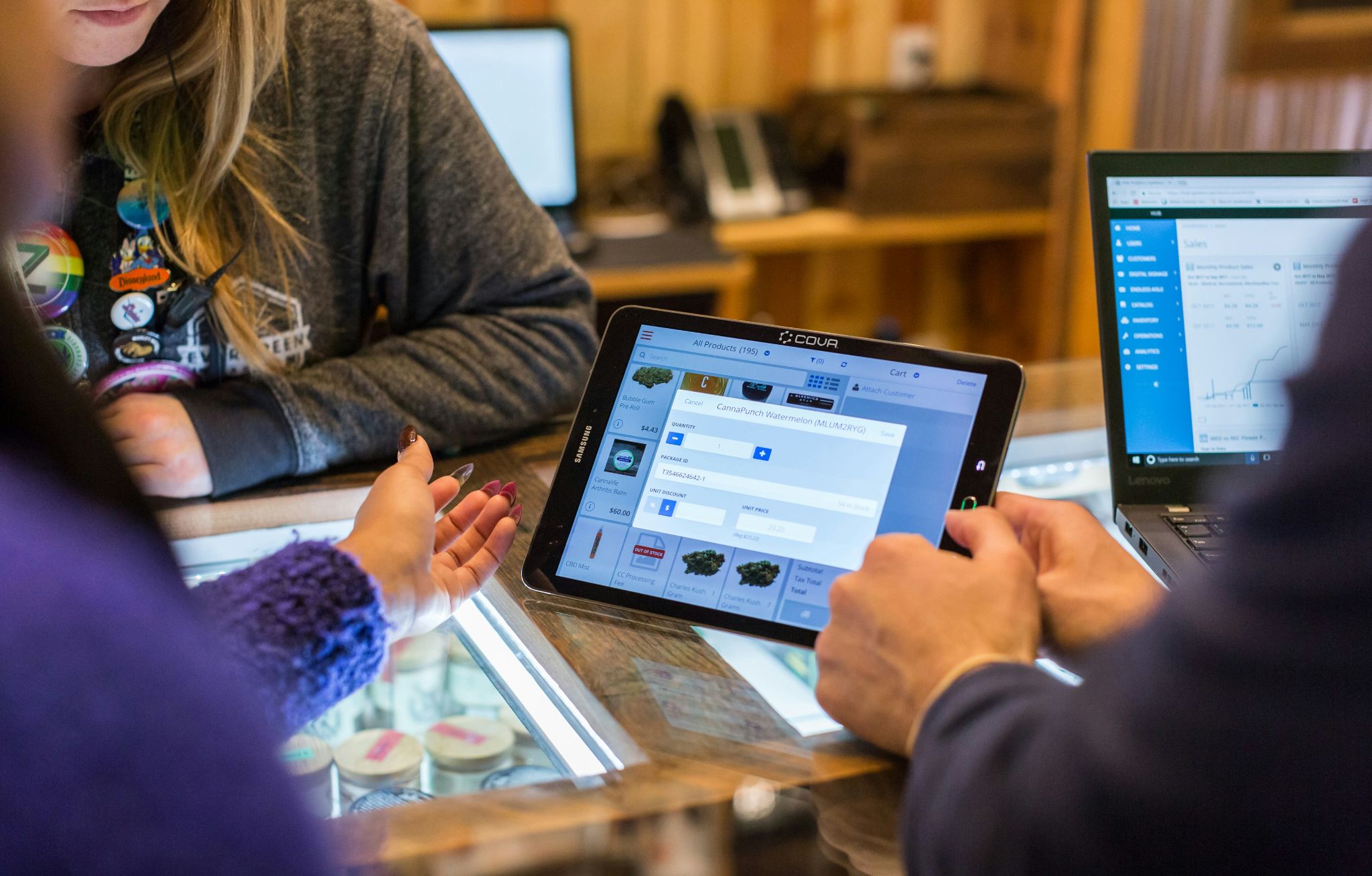
Building a reliable, high-converting hybrid retail environment requires a deliberate combination of hardware and software. You do not need expensive, Hollywood-grade production gear, but your setup must deliver clear, high-definition audio and video to keep viewers engaged.
Live broadcasting demands high-speed, upload-optimized internet connectivity. Relying on the same public Wi-Fi network used by your retail customers will lead to dropped frames, blurry video, and disconnected audio streams. Retail locations should install a dedicated, password-protected Wi-Fi network or a localized 5G cellular hub reserved strictly for live video data traffic.
In a busy retail store, background noise is a constant challenge. Shoppers talking, background music playing, and nearby traffic can easily drown out your host's voice. Presenters should always wear wireless, directional clip-on microphones that isolate their speech and filter out distracting ambient room noise.
Standard overhead retail lighting often creates harsh shadows and alters product colors on digital screens. To display your products accurately, use portable LED panel lights or compact ring lights that offer adjustable color temperatures. This ensures your online viewers see the true, exact colors of your apparel, cosmetics, or home goods.
The ultimate goal of interactive retail tech is removing all friction from the buying journey. Online viewers should never have to open a separate browser tab, copy coupon codes, or leave the video player to check out. Your live commerce software must embed interactive product cards directly into the video interface, enabling viewers to select their size, add items to their cart, and pay securely via one-click checkout methods while the broadcast continues playing in the background.
Most brands place clear, welcoming signs near the broadcast area or have an additional staff member guide walk-in shoppers around the active filming space. Alternatively, scheduling your live broadcasts right before the store opens or immediately after closing lets you utilize the real retail environment without any foot traffic interruptions.
No. Modern flagship smartphones deliver exceptional video quality that is perfect for live streaming platforms. Your initial investments should prioritize high-quality wireless microphones and adjustable LED lighting, as clear audio and accurate lighting have the biggest impact on overall viewer engagement.
You can easily track cross-channel traffic by offering location-specific digital rewards during your live broadcasts. For example, giving viewers a unique QR code or a specific barcode that can only be scanned for a discount at an in-person store register tells you exactly how many online viewers are visiting your brick-and-mortar locations.
Industries that rely heavily on visual demonstrations, styling advice, or detailed feature explanations see the highest returns. Apparel, beauty and cosmetics, consumer electronics, and home goods perform exceptionally well because hosts can actively demonstrate fit, texture, usage steps, and real-time product features.
Aprobado por las marcas más grandes





















Agenda una llamada con uno de nuestros expertos en social commerce para saber más.