



¿Listo para transformar tu e-commerce?
Agenda una llamada con uno de nuestros expertos en social commerce para saber más.



Key Takeaways:
Digital transformation across enterprise retail moves fast, but few sectors have experienced the rapid shifts seen in video-driven commerce. Large brands often invest substantial capital into native social media platforms, producing high-production broadcasts on TikTok Shop, Instagram Live, and YouTube. These networks provide access to massive, built-in audiences, but they also expose enterprise operations to notable commercial limits.
When a brand hosts its primary commercial events inside a third-party social ecosystem, it chooses to lease engagement rather than own it. Recent shifts in user tracking, volatile platform algorithms, and fractured checkout paths have forced enterprise digital and engineering teams to reconsider their options. Relying entirely on social apps introduces data blind spots, high transaction fees, and a disconnected customer journey.
To achieve sustainable growth, the current market landscape requires an updated model: shifting from social-centric video to owned, on-site live commerce infrastructure. Moving live video channels directly onto your primary enterprise e-commerce domain allows your brand to capture first-party consumer data, eliminate external distractions, and turn views into direct, measurable revenue.
Social networks excel at top-of-funnel discovery, but their foundational architecture is built to maximize user time-in-app rather than your brand's net profitability. When an enterprise operates entirely within these closed loops, it encounters three specific systemic challenges:
When a transaction occurs inside a social app's native store, that network filters and restricts the flow of buyer data back to the manufacturer. Without immediate, direct access to detailed consumer profiles, click streams, and precise viewing history, enterprise data teams struggle to build accurate segmentation models. This data gap makes it difficult to design personalized post-purchase retention sequences, ultimately driving up long-term customer acquisition costs.
Social video environments are crowded and highly distracting. A user actively watching an enterprise brand's live product demonstration remains just a single swipe or push notification away from a completely different piece of content or a direct competitor's ad placement. This constant threat of distraction makes it incredibly difficult to maintain the prolonged attention span needed to explain complex, premium, or highly technical products.
Even when social networks introduce "buy now" overlays, the technical routing frequently forces users through external app integration layers or sandboxed mobile browsers. Every technical hand-off, slow-loading widget, or form-fill request acts as an exit point. According to verified e-commerce performance analytics documented by the Baymard Institute, the baseline online shopping cart abandonment rate across major industries stands at 70.19%. When impulse-driven video audiences encounter fragmented social checkout checkouts, that abandonment risk increases, lowering your total return on ad spend.
Bringing interactive video capabilities onto your brand's primary domain addresses these friction points by consolidating the discovery, engagement, and checkout steps into a single, owned environment. Instead of forcing consumers to leave their browsing session to complete a purchase, an on-site video player lets viewers add items directly to their shopping carts while the broadcast continues running in real time.
This consolidation changes your core digital unit economics. Rather than constantly deploying marketing spend to drive users back to changing social feeds, your advertising budget directs high-intent audiences directly to your primary website asset.
Once on-site, those users stay insulated from external algorithm distractions and competitor ad sets. This focused attention span directly benefits conversion metrics. Operational data shows that converting website traffic into an interactive community environment improves baseline transaction rates, helping enterprise brands generate significantly more revenue from their existing web traffic.
Deploying live video across an enterprise-level e-commerce application requires solid technical planning. Simply embedding a basic, unoptimized video script can slow down page loading times, which directly threatens organic search visibility and user retention.
To maintain high technical performance and secure site usability, engineering teams build their on-site video frameworks around three main pillars:
Implementing a dedicated platform designed for on-site live shopping allows enterprise organizations to easily add these technical features to their existing shopping setups. Using a specialized solution like the Terrific Live Shopping Platform helps brands run high-performance, custom-branded video events directly on their own websites without needing to rebuild their core e-commerce architecture.
The long-term value of on-site livestreaming lies in the first-party data loops it creates. Because every view, chat message, and product click occurs directly on your primary domain, your data infrastructure logs these customer actions in real time.
This detailed, high-intent interaction history allows your marketing teams to create highly precise segmentation models. For example, instead of serving generic retargeting ads to everyone who visited your homepage, you can design hyper-focused campaigns tailored to the exact products a shopper clicked or asked about during a live broadcast. This relevant ad targeting improves ad relevance metrics, reduces your average cost per click, and significantly drops your net customer acquisition costs across secondary channels.
Furthermore, owning your customer data protects your enterprise from future privacy updates, tracking limitations, or policy shifts by third-party ad networks. By converting temporary social media browsers into direct, authenticated website relationships, your brand builds a sustainable digital asset that preserves long-term customer lifetime value and operating stability.
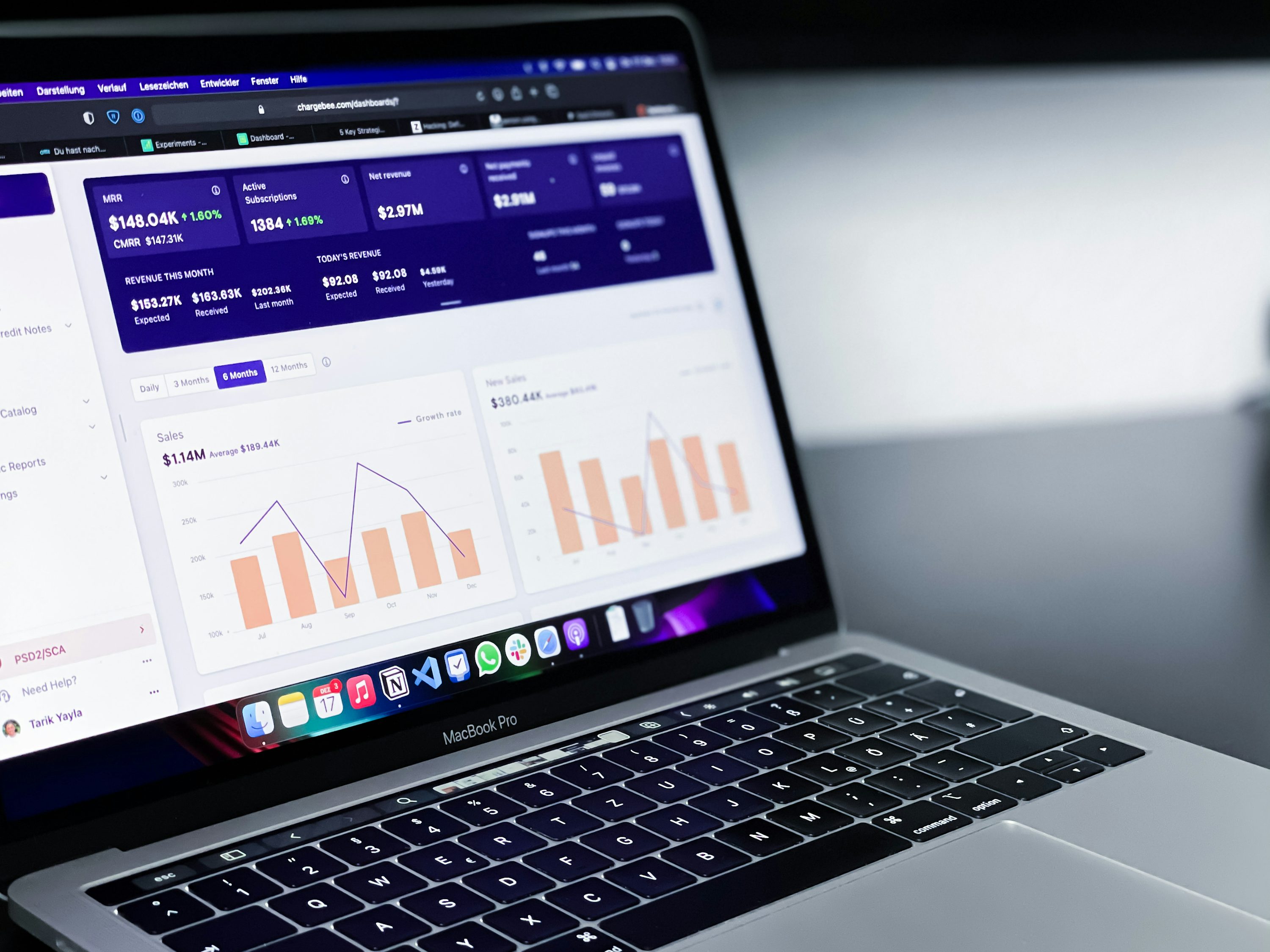
Relying entirely on social networks means brands do not own their customer data, face unpredictable algorithm updates that can lower visibility, and encounter higher transaction drop-offs due to fragmented checkout paths inside third-party apps.
On-site video drives traffic directly to your primary domain instead of external social feeds. By keeping users focused and simplifying the checkout process, it improves your website's baseline conversion rate, letting you generate more sales and customers from your existing marketing spend.
If you implement your video setup correctly using modern methods-such as adaptive streaming, global content delivery networks (CDNs), and asynchronous script loading-the interactive video elements will load independently from your core page data, keeping your website fast and responsive.
Enterprise live commerce platforms integrate directly with standard e-commerce engines, product information managers (PIMs), and inventory systems through custom APIs. This ensures that stock levels, pricing, and product descriptions update automatically in real time during the video broadcast.
Aprobado por las marcas más grandes





















Agenda una llamada con uno de nuestros expertos en social commerce para saber más.