


Ready to Transform Your Website?
Schedule a call with one of our experts to learn more.


Customer behavior has fundamentally shifted. People no longer shop by browsing endless pages of static images on a white background. Instead, they discover, evaluate, and desire products through dynamic, immersive, and interactive video feeds. They expect a rich, entertaining experience before they ever click the checkout button.
Yet, when most of these high-intent buyers leave a social platform and arrive at a traditional online storefront, they are met with the exact same static catalogs from a decade ago. This abrupt shift in the user experience creates friction. The excitement of discovery fades into the chore of navigation, leading to shorter buyer session times, higher cart abandonment, and ultimately, lower conversion rates.
To bridge this gap, innovative brands are bringing the social media user interface directly to their own domains. By transforming their static websites into engaging, interactive destinations, they are seeing an unprecedented explosion in time on site and revenue per visitor.
We are operating in an attention economy. If your digital storefront cannot hold a visitor's interest within the first few seconds, they will leave. In the traditional e-commerce model, the metric of "time on site" has often been viewed as a byproduct of a complicated checkout process. Today, however, time on site is the primary indicator of engagement, brand affinity, and purchase intent.
The longer a customer spends interacting with your brand's content, the higher the likelihood of a sale. The challenge is that standard grid layouts do little to captivate the modern consumer. Shoppers are accustomed to the dopamine loop of swiping, watching, and interacting in real time. They expect a narrative, a demonstration, and social proof, all delivered seamlessly.
When you fail to provide this native experience on your own domain, you are forced to rely heavily on third-party platforms to do the heavy lifting for your brand promotion. This dependency not only drains your advertising budget but also surrenders your most valuable asset: first-party customer data.
Bringing a social media interface to your website does not mean adding a widget that links out to your corporate social profiles. It means fundamentally changing how content is consumed and how products are presented on your own domain. It involves adopting the "Scroll to Sale" methodology, which minimizes friction and maximizes entertainment.
Instead of reading a block of text, customers can swipe through vertical, short-form videos demonstrating the product in action. User-generated content, unboxing videos, and professional tutorials are embedded directly onto the product page. Customers can view the video and add the featured item to their cart without ever interrupting the video playback.
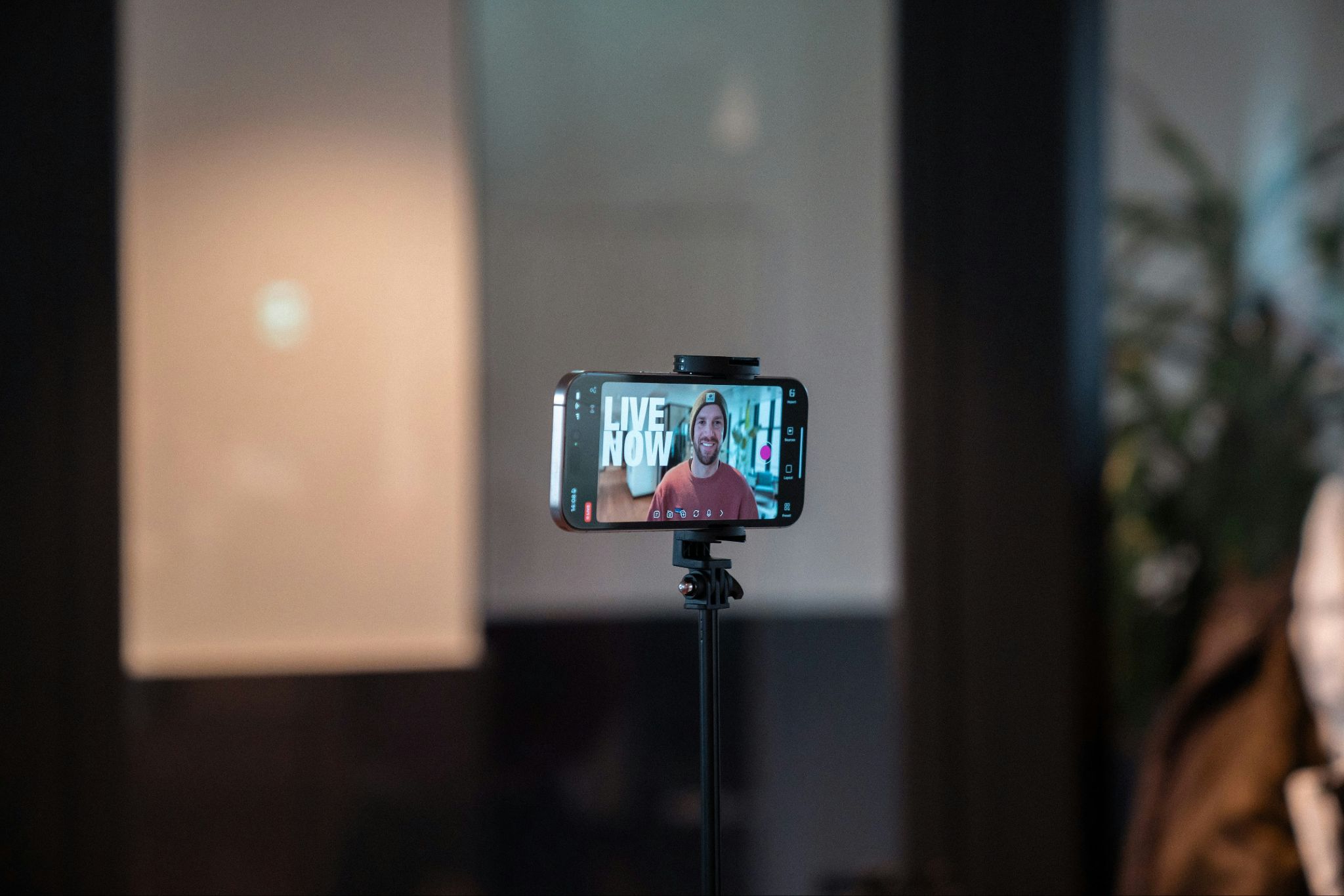
Live events build urgency and community. By hosting these sessions natively on your website, you gather a captive audience ready to interact. Viewers can ask questions through live chat, participate in polls, and unlock exclusive discounts, all while the host demonstrates the product.
A dynamic timeline mimics the experience of a personalized feed. It guides the shopper through a curated journey of relevant products, limited-time offers, and engaging multimedia. This format encourages continuous scrolling, directly combatting the high bounce rates associated with traditional, paginated category structures.
The transition toward interactive commerce is heavily supported by market data and academic research. Modern consumers inherently trust the social format. Research indicates that a positive consumer attitude toward products marketed through social commerce directly leads to a greater level of perceived trust, fundamentally increasing the likelihood of purchasing (Elshaer et al., 2024).
By adopting these familiar interfaces, brands remove the learning curve from the shopping experience. Furthermore, the sheer volume of users seeking out this type of content is staggering. As of 2022, out of the 4.65 billion social networking users worldwide, 26.6% utilize these interactive platforms specifically to find products to buy (Alotaibi & Aljaafari, 2024).
When you capture even a fraction of this intent and direct it to an optimized, native platform, the financial upside is massive. The demand for interactive formats is skyrocketing, with the market for live streaming video commerce projected to reach $52.63 billion by 2025 (Dixit & Pandita, 2023). Capitalizing on this trend requires the right technological infrastructure to support high-quality video delivery without compromising site speed.
The ultimate goal of upgrading your user interface is to establish "Owned Social Commerce." This concept allows you to reap the engagement benefits of social media while retaining full control over the customer journey. You are no longer renting an audience from an algorithm; you are building a dedicated community on your own digital real estate.
This is where a specialized platform like Terrific Live becomes essential. Terrific Live acts as the social layer for your domain, offering a suite of tools designed exclusively to turn attention into revenue.
By utilizing Shoppable Videos, you can embed swipeable feeds of testimonials and tutorials that sell your inventory 24/7. These feeds feature integrated product tags and in-video checkout, drastically reducing the path to purchase.
When it is time for a major product drop or promotional event, the Live Shopping capability allows you to activate your audience in real time. Features like gamified incentives, interactive polls, and live chat keep the audience glued to the screen. To maximize your reach, the Multi Stream functionality enables you to broadcast simultaneously across all your owned and influencer social channels, driving all the resulting checkouts directly back to your website.
Managing these advanced features is surprisingly simple thanks to the AI Commerce Engine. This intelligent backend helps you segment traffic for precise re-marketing and unlocks real-time insights to continually optimize the experience. It handles the heavy lifting, ensuring that the personalized, interactive timeline your customers see is perfectly aligned with their preferences and your inventory.
The era of the static website is over. Customers want to be engaged, entertained, and informed through rich media before they make a purchase decision. By bringing the familiar, engaging user interface of social media directly to your website, you provide a superior customer experience that immediately translates to business success.
You can expect to see significantly higher average order values, a noticeable lift in conversion rates, and a complete transformation of your "time on site" metrics. It is time to stop losing your hard-earned traffic to poor user experiences and start turning every scroll into a sale.

Owned Social Commerce refers to the practice of integrating social media features, such as shoppable videos, live streaming, and interactive feeds, directly onto your own website. This allows you to control the customer experience and retain all first-party data.
Shoppable videos keep users engaged by providing dynamic, entertaining content rather than static text and images. Because users can interact with the video and purchase without leaving the page, they naturally spend more time exploring your offerings.
Not when using a dedicated, enterprise-grade platform. Solutions like Terrific Live are built with advanced video infrastructure designed to have zero impact on your core site performance while delivering high-quality, real-time streams.
Yes. With features like Multi Stream, you can simultaneously push your live shopping events to your social networks, but the primary goal is to drive that external audience back to your native website for the final checkout.
Trusted by the greatest brands





















Schedule a call with one of our experts to learn more.