


Pronto para transformar seu Site?
Agende uma ligação com um de nossos especialistas para saber mais.


Live shopping was once a curiosity. In 2026, it's a proven revenue channel. Brands that have been running live events for even 12-18 months are reporting results that make traditional product pages look quietly outdated. If you're still evaluating whether this format is worth your attention, this guide is your definitive answer.
Live shopping - also called live commerce or livestream shopping - is the practice of selling products through a real-time video broadcast, where viewers can ask questions, react to demonstrations, and purchase without ever leaving the stream.
It's not a new concept. Home shopping television networks like QVC and HSN pioneered the format in the 1980s, building entire businesses on the power of live product demos and viewer urgency. What changed is the infrastructure. Today, any brand can run a live shopping event from a smartphone, embed it directly into their website, and convert viewers at a rate traditional e-commerce can't match.
The modern version of live shopping lives on brand-owned platforms, social media channels, and dedicated commerce apps - and the purchase experience happens in real time, within the stream itself.
The mechanics are straightforward, but the effect on buyers is anything but ordinary.
A host - whether a brand employee, influencer, or product expert - presents items in front of a live camera. Viewers watch in real time, interact via live chat, vote in polls, react to reveals, and click to purchase products that are tagged directly within the stream. Orders are placed and processed while the session is still running.
What makes this format work so well is the compression of the buying journey. Product discovery, consideration, and purchase happen in a single experience, powered by the host's credibility, the energy of a live audience, and the natural urgency of a timed event.
After the session ends, recorded replays continue to drive purchases - making live shopping both an event and a persistent content asset.

The numbers tell a straightforward story. The US livestream shopping market, valued at $32 billion in 2023, is forecasted to more than double to around $68 billion by 2026, accounting for over 5% of total e-commerce sales. Globally, the live commerce market was estimated at $172.86 billion in 2025 and is projected to grow at a compound annual growth rate of 41% through 2033.
This isn't speculative growth. Companies that lean into live commerce early report top-line revenue growth of up to 25%. The acceleration is structural: mobile-first consumer behavior, social platform investment in native checkout, and a post-pandemic appetite for interactive experiences are all compounding at once.
China offers the clearest proof of scale - livestream shopping expanded from around $57 billion in 2019 to roughly $682 billion in 2023, with projections crossing $1.1 trillion by 2026. Western markets are earlier in the adoption curve, which means the opportunity window is real and still open.
The most cited metric in live commerce is conversion rate, and for good reason. Live shopping events convert at 9.5-15.2% - up to 10x higher than standard e-commerce conversion rates. Some categories perform even higher: certain sectors, such as fashion and beauty, report conversion rates as high as 70% during live shopping events.
The mechanism is well understood. Real-time product demonstration removes ambiguity. Viewer questions get answered on the spot. Social proof from other viewers in the chat builds confidence. And limited-time offers tied to the live session create genuine urgency - not manufactured scarcity, but a real "now or wait" dynamic that moves decisions forward.
Returns are one of the most expensive problems in e-commerce, and live shopping addresses them at the source. Return rates for live shopping purchases run 40-50% lower than traditional online purchases, because real-time product demonstration sets accurate expectations before the order is placed. For fashion specifically, live shopping returns sit around 10%, compared to 30-35% for standard fashion e-commerce.
When a host walks through fit, texture, size, and styling in real time - and viewers can ask questions before buying - the mismatch that drives returns disappears.
Live shopping doesn't end when the session does. 42% of live revenue comes from replays, not the live event itself. That means every session you run is both a live event and a piece of evergreen shoppable content that continues converting - on your product pages, in your email sequences, and across social media.
This is why shoppable video strategy and live shopping strategy are increasingly the same conversation.
Live shopping is often discussed as a top-of-funnel tool, but its impact on repeat purchase behavior is significant. Live shoppers show 38% higher repeat purchase rates than standard buyers, which means the format pays dividends well beyond the session itself. Viewers who buy live have a fundamentally different relationship with a brand - they've experienced its personality, heard directly from its team, and made a choice in real time. That creates a kind of loyalty that a product page simply can't build.
Results vary - and the gap between an average session and a high-performing one comes down to a few core factors.
A clear goal is non-negotiable. Is the event about launching a new product, clearing seasonal inventory, deepening community, or all three? The goal shapes the content, the pacing, the offers, and how you measure success.
A compelling host matters enormously. The host doesn't need to be famous, but they need to be credible, comfortable on camera, and genuinely engaged with the product. Audiences respond to authenticity above production value - a shaky camera with a great host outperforms a perfect studio setup with a disengaged presenter every time.
Interactive mechanics convert browsers into buyers. Live polls, viewer-based discounts that unlock as audience numbers grow, secret product reveals, and real-time Q&A all serve the same function: they make viewers feel like participants rather than spectators. Platforms like Terrific offer all of these tools natively, including an AI-powered Live Host Co-Pilot that helps presenters stay on track in real time.
Consistent scheduling builds audience habits. The brands seeing the strongest results aren't running a single event - they're building a regular programming cadence that viewers come back to, the same way they'd follow a show.
You can find a full breakdown of event preparation in Terrific's Live Shopping Playbook.
This is a strategic decision with real downstream consequences.
Social platforms like TikTok, Instagram, and YouTube offer built-in audiences and algorithmic distribution. TikTok Shop drove $100 million in Black Friday sales in 2024, triple the volume from the year before - a sign of just how fast platform-driven live commerce is scaling in Western markets.
But platform-hosted events come with a trade-off: you're building your audience on someone else's property, following their rules, and feeding their data, not yours.
Brand-owned live shopping - hosted directly on your website through a white-label platform - keeps first-party data in your hands, maintains brand consistency, and captures customer behavior you can act on. It's not an either/or decision; the strongest strategies often stream to social platforms simultaneously while anchoring the primary experience on owned infrastructure. Terrific's Multi Stream feature supports exactly this approach.
If you're weighing your options, our guide to the best live shopping platforms covers the landscape in detail.
Fashion and beauty have the longest track record in live commerce - and the numbers reflect it. Fashion and beauty products account for 51% of total live shopping sales globally. The format is a natural fit: products benefit from real-time demonstration, styling context, and the kind of aspirational energy a live host can generate.
Electronics perform strongly too, with consumers more confident purchasing after seeing devices in action, which reduces return rates. Home goods, luxury items, fitness products, and even real estate are all building live shopping programs with measurable results.
The common thread is this: any product that benefits from demonstration, context, or trust-building is a candidate. That covers a broader range of categories than most brands initially assume. Terrific serves industries from beauty and skincare to fashion and apparel to electronics and gadgets.
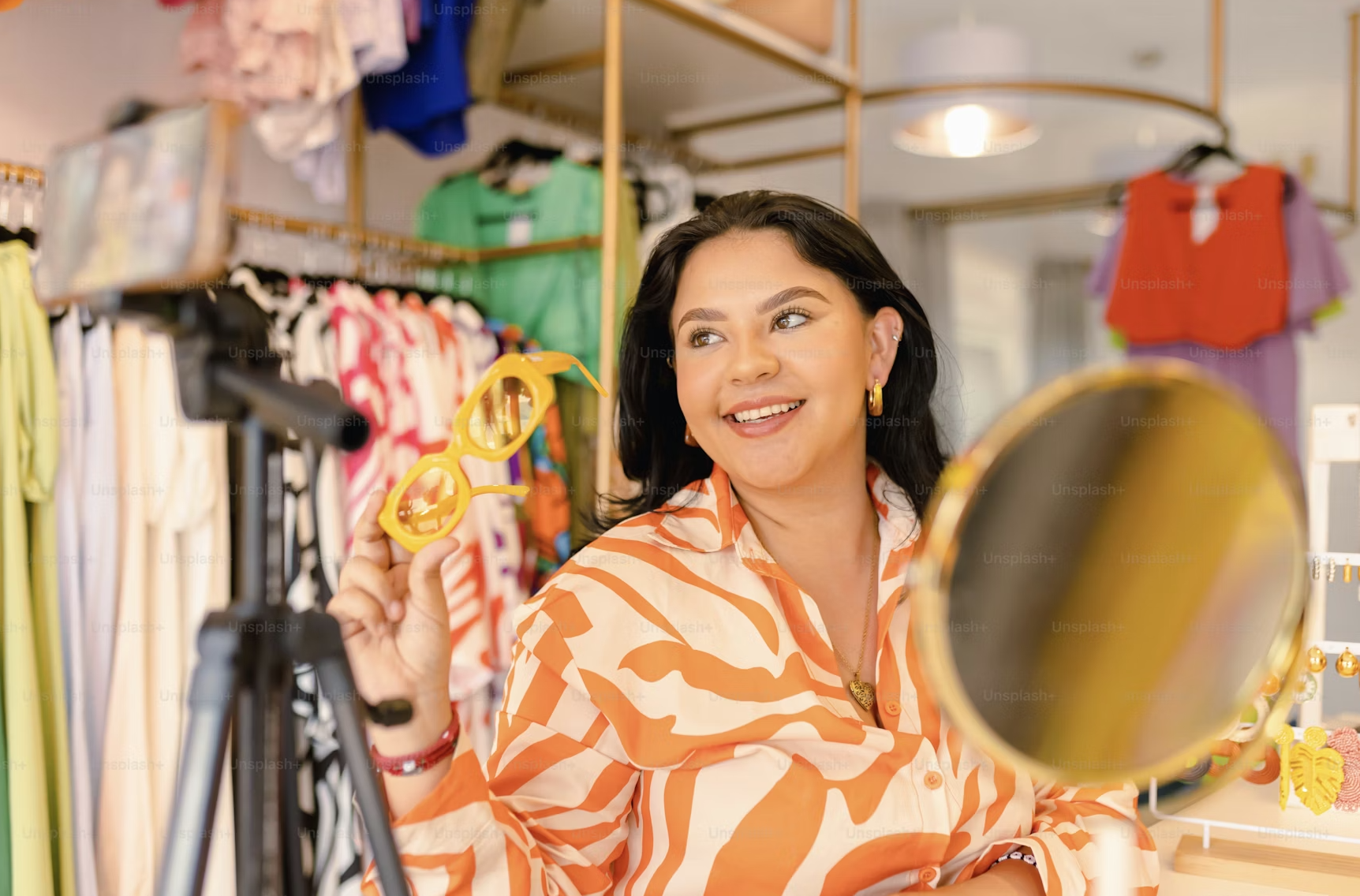
The barrier to entry is lower than it's ever been, but the strategic requirements are real.
Start with an honest assessment of your audience, your product catalog, and your internal capacity. Live shopping rewards consistency, so a sustainable cadence matters more than a single high-production launch event. Choose a platform that matches your stage - whether you need a plug-and-play setup or a fully branded, white-label experience embedded into your site.
Run your first few sessions with low-stakes goals: test the format, learn what your audience responds to, and build your host's comfort on camera. Use the analytics from each session to iterate. The brands that see the best results are the ones that treat live shopping as a channel to develop, not a campaign to run.
Ready to see what live shopping can do for your brand? Explore what Terrific offers - or book a demo to talk through your specific use case with the team.
Com a confiança das melhores marcas





















Agende uma ligação com um de nossos especialistas para saber mais.